 My Electrical Tech
Kalmar Ottawa T2 Recall: Commercial Facility Safety Actions for Terminal Tractors
Quick Answers for Property & Facility Managers
What should facility managers do about the Kalmar Ottawa T2 recall?
Facility managers should identify affected Ottawa T2 4x2 DOT/EPA, Ottawa T2 Off Road, and Ottawa T2 6x4 DOT/EPA units, confirm each vehicle through Kalmar’s recall process, and coordinate the corrective repair with Kalmar or an authorized service provider. Maintain records of notifications, scheduling, inspection, repair, and return to service.
What electrical hazard is associated with the affected Ottawa T2 terminal tractors?
The cabin power distribution board may develop degraded electrical insulation resistance and, in rare circumstances, a short circuit that can produce a thermal event. Kalmar’s planned remedy adds a remote ground stud and fuse to isolate certain electrical circuits. Operators should follow Kalmar’s instructions and avoid unauthorized electrical modifications.
Does this recall require changes to a commercial building’s electrical system?
The reported remedy is directed at affected terminal tractors rather than a building switchboard, panelboard, or fixed electrical installation. However, managers should coordinate vehicle charging, maintenance, parking, and emergency procedures with site safety personnel. Any facility-side electrical work must still comply with NEC NFPA 70, applicable permits, inspections, and local AHJ requirements.
Kalmar Ottawa T2 Recall Identifies a Targeted Electrical Safety Risk
Kalmar issued a recall notice on October 5, 2026, for certain Ottawa T2 terminal tractor configurations after identifying a potential problem in the cabin power distribution board. The board can experience degraded electrical insulation resistance and may be subject to a short circuit. According to the reported notice, these conditions have led to thermal events in very rare circumstances.
The affected configurations identified in the notice are the Ottawa T2 4x2 DOT/EPA, Ottawa T2 Off Road, and Ottawa T2 6x4 DOT/EPA terminal tractors. Kalmar stated that the units involved in reported events represent less than 0.001% of the total Ottawa T2 fleet, but the company is taking proactive corrective action. For facility managers, this is a fleet and operational-risk issue that should be managed alongside other commercial electrical and life-safety responsibilities.
What the Remote Ground Stud and Fuse Remedy Does
Kalmar’s corrective action adds a remote ground stud and fuse, described as an RGS/fuse, to isolate certain electrical circuits. The purpose is to reduce the likelihood that an insulation-resistance breakdown or short circuit will progress into a thermal event. Kalmar stated that customers will be contacted directly with implementation details and that its service team will coordinate scheduling.
This remedy is not the same as replacing a commercial building panelboard, switchgear lineup, or distribution feeder. It is a vehicle-specific electrical modification. Property and facility managers should therefore avoid treating the repair as ordinary in-house maintenance unless the manufacturer expressly authorizes the work and the personnel, parts, procedures, and documentation meet the applicable requirements.
Immediate Action Plan for Facility and Property Managers
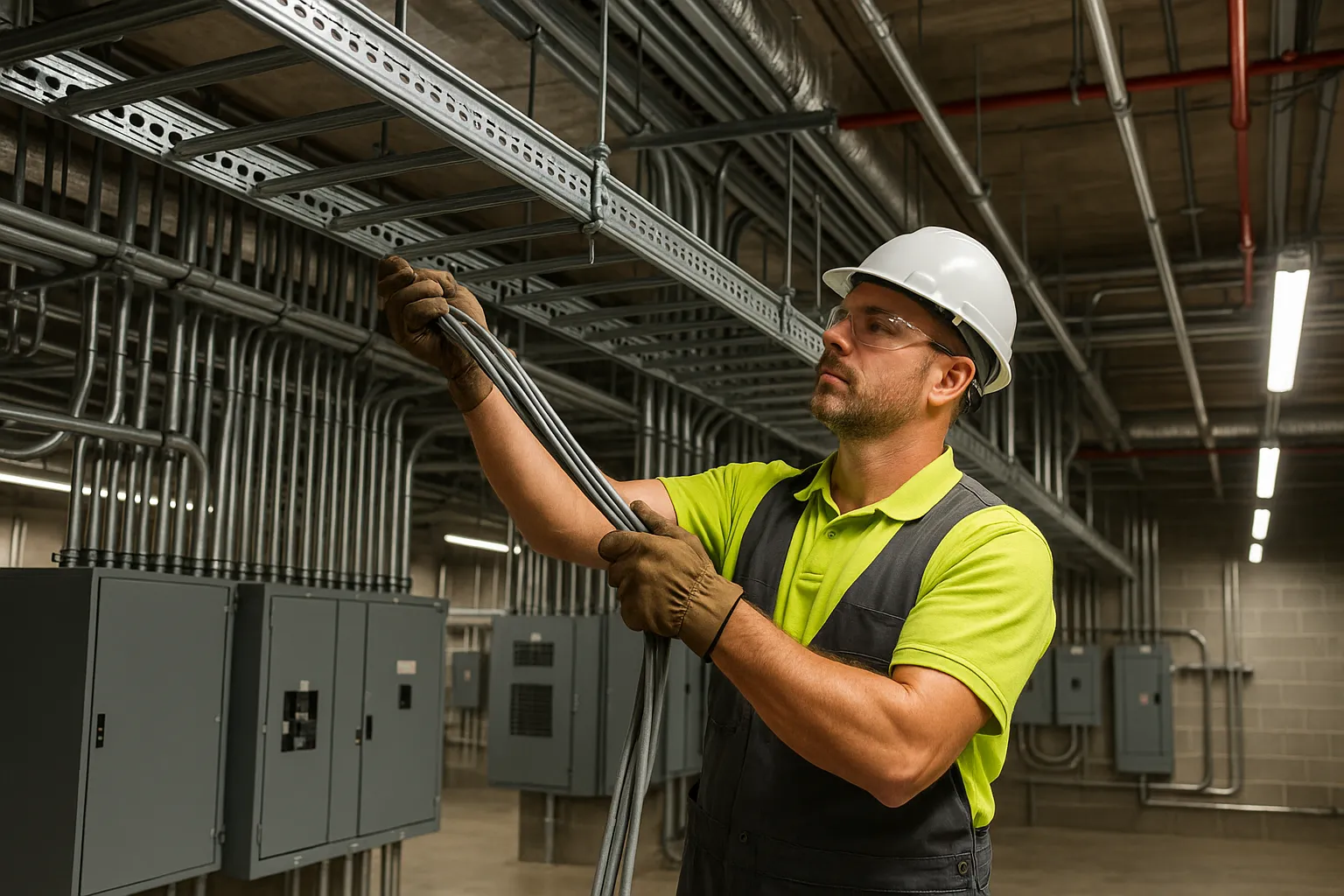
- Inventory the fleet: Review asset registers, yard-truck records, lease files, and maintenance systems for Ottawa T2 units operating at ports, warehouses, distribution centers, manufacturing sites, logistics facilities, and intermodal yards.
- Verify applicability: Use the vehicle identification information and Kalmar’s recall-lookup or customer-support process to determine whether each unit is affected. Record the serial number, configuration, operating location, and responsible business unit.
- Coordinate service: Contact Kalmar or an authorized service provider to arrange the RGS/fuse installation and obtain the manufacturer’s written repair instructions, parts information, and scheduling requirements.
- Control interim use: Ask Kalmar for written guidance on operating, parking, inspection, or temporarily removing an affected unit from service before the repair is completed. Do not create independent operating limits that conflict with the manufacturer’s instructions.
- Document closure: Retain the recall notice, work order, technician documentation, photographs where appropriate, parts records, and return-to-service approval in the facility’s maintenance or enterprise asset-management system.
Electrical Safety, OSHA, and NFPA 70E Considerations
Although the recall concerns a mobile terminal tractor, the response may involve employees, contractors, battery systems, vehicle electrical circuits, and energized troubleshooting. Managers should confirm that service activities are assigned to qualified persons and performed under the manufacturer’s procedures. Where employees may be exposed to electrical hazards, the employer’s electrical-safety program should address shock and arc-flash risk, job planning, lockout/tagout, and appropriate personal protective equipment.
NFPA 70E provides widely used practices for electrical safety in the workplace, while OSHA requirements may apply to hazardous energy control, employee training, and workplace safety. The exact requirements depend on the work activity, jurisdiction, employer responsibilities, and equipment condition. A recall repair should not be used as a reason to bypass established safety procedures or permit unqualified personnel to open electrical enclosures.
Relationship to Building Power Distribution and EVSE
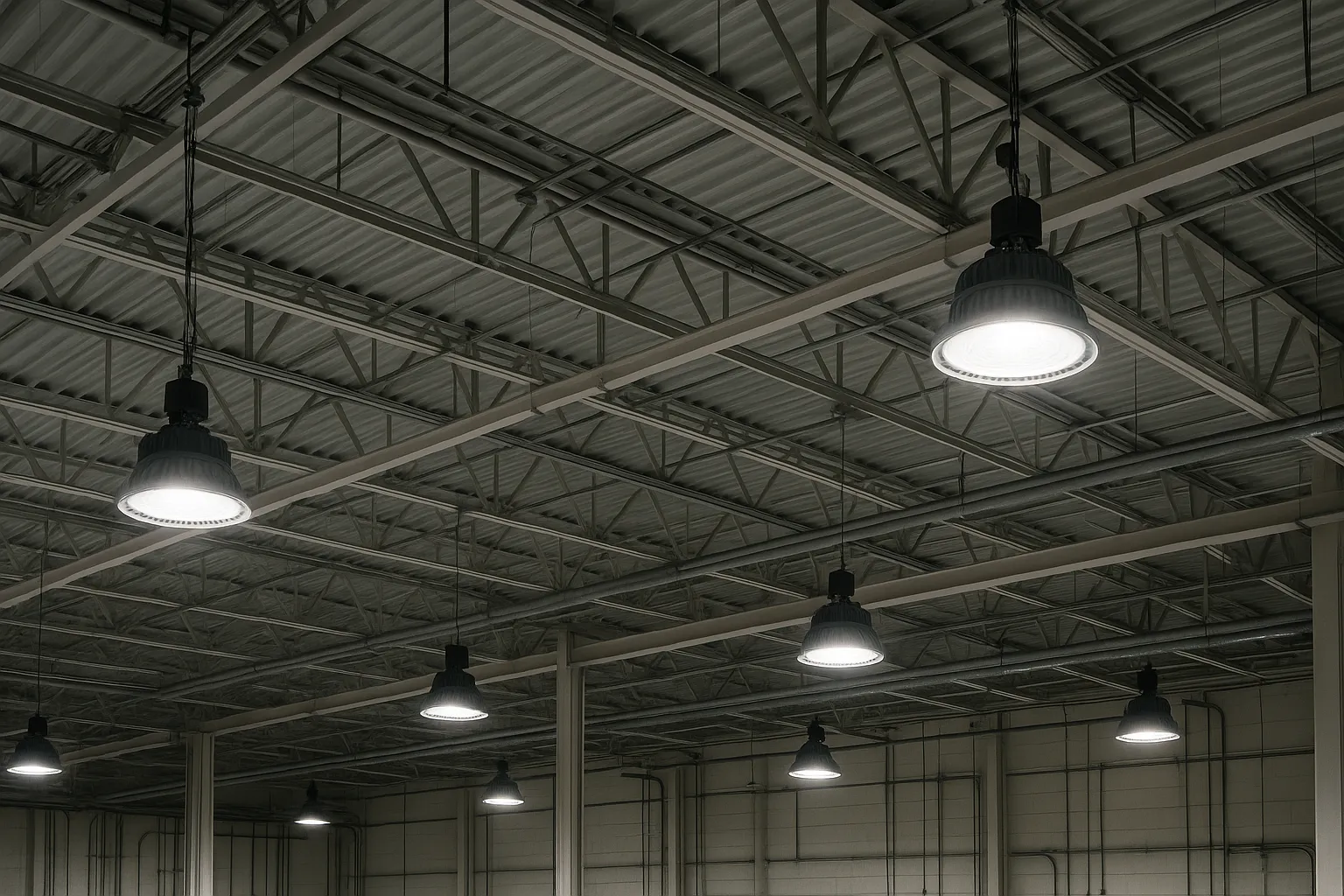
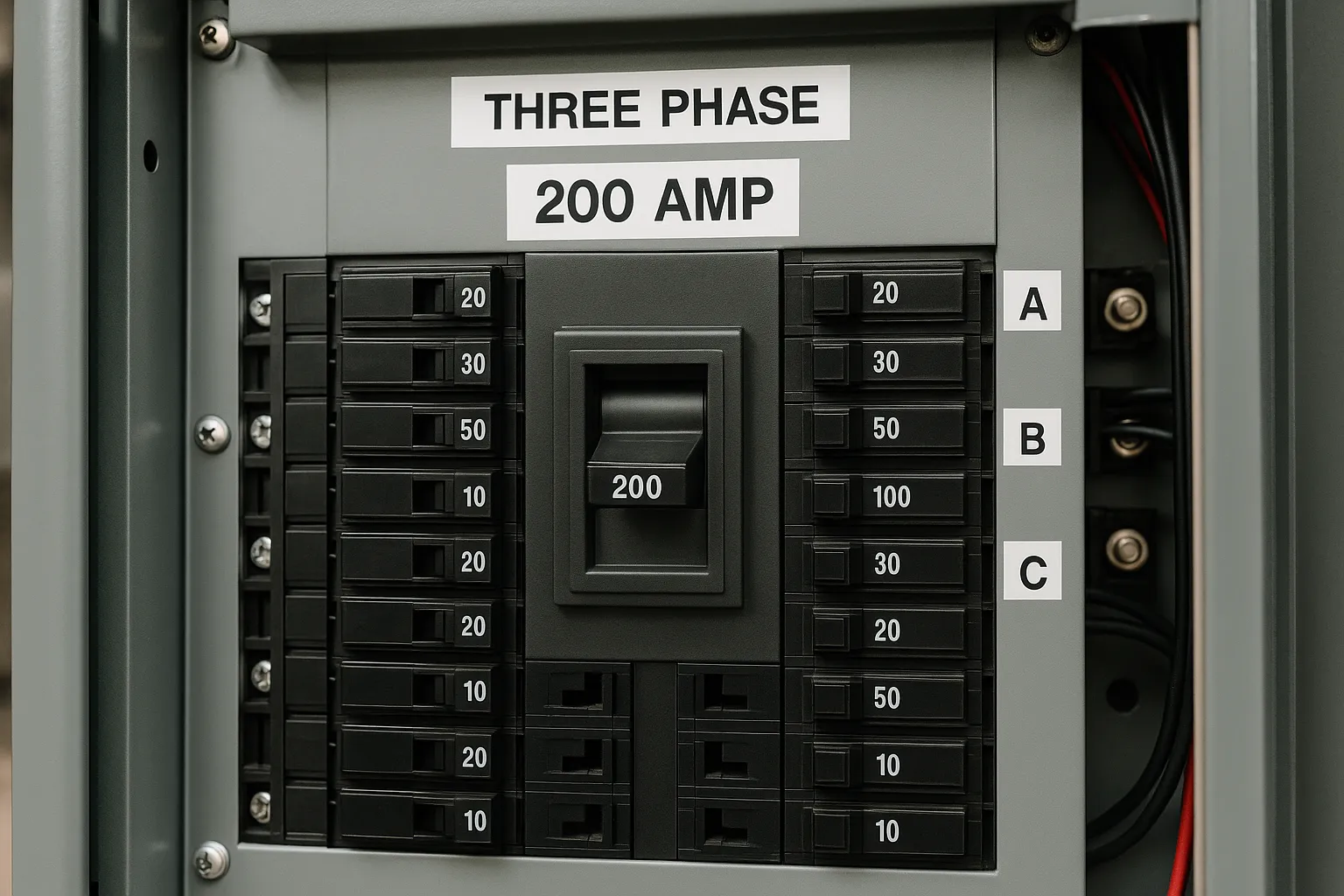
Many commercial facilities operate terminal tractors near three-phase service equipment, motor-control equipment, battery chargers, EV charging equipment, warehouse distribution systems, or backup power systems. The Ottawa T2 corrective action does not, by itself, indicate a defect in a building’s switchgear, panelboards, feeders, or EVSE. Managers should nevertheless separate the vehicle repair from any facility-side electrical project and verify that each scope has the correct responsible contractor.
Any new or modified charger, receptacle, disconnect, feeder, grounding connection, or distribution equipment should be evaluated under NEC NFPA 70, applicable local amendments, manufacturer instructions, and the authority having jurisdiction. Depending on the project, permits and inspections may be required. For California properties, applicable Title 24 energy requirements may also affect charging infrastructure, lighting controls, or related building work. UL listing or other nationally recognized testing laboratory requirements should be confirmed for installed equipment and replacement components.
Operational Continuity and Commercial Real Estate Risk
For a warehouse, port, manufacturing campus, or distribution center, a terminal tractor repair can affect dock flow, trailer movements, yard capacity, tenant service levels, and delivery schedules. The commercial impact may be greater than the electrical repair itself. Property managers should coordinate service windows with operations, security, fleet management, tenants, and contractors to avoid conflicts with peak shipping periods or restricted-access areas.
Owners and asset managers should also review lease obligations, fleet ownership records, warranty provisions, and vendor contracts. Kalmar stated that its service team would work directly with customers to coordinate scheduling and help return vehicles to service. Managers should confirm whether the unit is owned, leased, financed, or maintained under a full-service agreement before assigning costs or approving third-party work. Manufacturer warranties and approved repair channels can affect both reimbursement and future support.
How to Build the Recall Into the Facility’s Compliance Program
Use the recall as a trigger for a documented equipment-safety review rather than a one-time email. Add the affected assets to the facility’s corrective-action register, assign an accountable owner, establish a completion date, and require evidence of the completed repair. Integrate the work with preventive-maintenance records and contractor-management procedures.
During the review, confirm that emergency contacts are current, personnel know how to report smoke or abnormal electrical behavior, and fire-protection and incident-reporting procedures cover mobile equipment in yards and buildings. Do not infer that the low reported frequency eliminates the need for action. A properly controlled recall response protects continuity, supports regulatory and insurance documentation, and gives commercial stakeholders a clear record that the manufacturer’s safety action was addressed.
Frequently Asked Questions
How can a facility manager verify whether an Ottawa T2 terminal tractor is affected by the recall?
Start with the unit’s chassis or serial-number records and compare the vehicle configuration with Kalmar’s recall information. Kalmar provides a recall-lookup function and stated that it will notify affected customers directly. Keep a written verification record for every unit, including units determined not to be affected. If the status is unclear, contact Kalmar or an authorized dealer before assigning the vehicle to normal service.
Who should perform the Kalmar Ottawa T2 electrical recall repair?
The repair should be coordinated with Kalmar or a Kalmar-authorized service provider using the manufacturer’s approved parts and procedures. Facility electricians should not assume that a vehicle power-distribution repair is within their normal building-electrical scope. The service provider should document the installed remote ground stud and fuse, identify the repaired unit, and provide return-to-service records.
Does the Ottawa T2 recall mean the facility’s electrical system is unsafe?
No. The reported issue concerns a cabin power distribution board in certain terminal tractor configurations, not a general defect in a facility’s switchgear, panelboards, feeders, or chargers. Managers should still inspect any related building equipment if there are independent symptoms such as overheating, nuisance tripping, damaged conductors, or failed protective devices, using qualified electrical professionals and applicable AHJ requirements.
What should commercial property managers include in their recall documentation?
Documentation should include the affected asset list, configuration or serial-number verification, customer and dealer communications, approved repair instructions, work orders, parts information, service dates, technician or contractor details, and return-to-service approval. Also record any temporary operating restrictions and tenant or operations notifications. These records support safety management, warranty administration, insurance inquiries, and future asset transactions.
Can an affected terminal tractor continue operating before the repair is completed?
Do not make that decision solely from general recall summaries. Obtain current written operating guidance from Kalmar or the authorized service channel for the specific unit. Until guidance is confirmed, managers should evaluate whether the vehicle can be segregated or scheduled for prompt service without disrupting critical operations. Any interim controls should be communicated to operators and documented.
Related Reading on My Electrical Tech
- Commercial Generator Guide: Selection, Maintenance, Compliance, and ROI
- Diall 16A Blue Site Connector Recall: What Facility Managers Need to Know
Find a Qualified Commercial Electrical Contractor
Need help acting on this? Browse commercial electricians in your area, or explore commercial electrical services like preventative maintenance, inspections, and emergency response. Are you a contractor? List your business on My Electrical Tech to reach property and facility managers actively searching for help.
Sources
Originally sourced from Yahoo Finance