 My Electrical Tech
NFPA 79 Electrical Standard Changes: What Facility Managers Need to Know
Quick Answers for Property & Facility Managers
How do the new NFPA 79 changes affect my industrial machinery and control panels?
Updates to NFPA 79 tighten and clarify requirements for industrial control panels, shock protection, and wiring methods on automated machinery. For facility managers, this means revisiting machine specifications, UL-listed control equipment, and NEC coordination to ensure inspections, permits, and insurance all remain in compliance.
Do I need to retrofit existing machines because NFPA 79 was updated?
Not every existing machine needs immediate retrofit, but NFPA 79 updates are a trigger to review risk, OSHA and NFPA 70E safety practices, and AHJ expectations. Focus first on higher‑risk automated lines, recent UL control panel installations, and upcoming capital projects, then plan upgrades during scheduled shutdowns.
What should I ask my electrical engineer or integrator about NFPA 79 compliance?
Ask whether new or modified machinery is designed to the latest NFPA 79 edition, how industrial control panels are documented and labeled, and how NFPA 79, NEC (NFPA 70), NFPA 70E, and UL standards are coordinated. Request updated one‑line diagrams, panel schedules, and written test/inspection records.
NFPA 79 Updates: Why They Matter for Industrial and Commercial Facilities
NFPA has issued updated changes to NFPA 79, Electrical Standard for Industrial Machinery, the core reference for electrical design and safety on machine-centric installations. These revisions clarify requirements for industrial control panels, protection against electric shock, and acceptable wiring practices on automated equipment used throughout commercial and industrial facilities.
For property managers, facility managers, and building owners, NFPA 79 sits alongside NEC (NFPA 70), NFPA 70E, OSHA regulations, and UL listing standards as a primary driver of how machinery is specified, installed, and inspected. When NFPA updates a standard, the local Authority Having Jurisdiction (AHJ) and your insurers may begin using that edition to evaluate compliance for new projects and major modifications.
This means the latest NFPA 79 changes are not just a design issue for OEMs and integrators. They directly impact capital planning, risk management, and maintenance strategy in facilities that rely on automated manufacturing lines, material-handling systems, packaging equipment, and other industrial machinery.
Key NFPA 79 Changes: Control Panels, Shock Protection, and Wiring Practices
While the detailed article text in ElectricNet focuses on technical language, the headline changes fall into several practical buckets that facility decision-makers should understand:
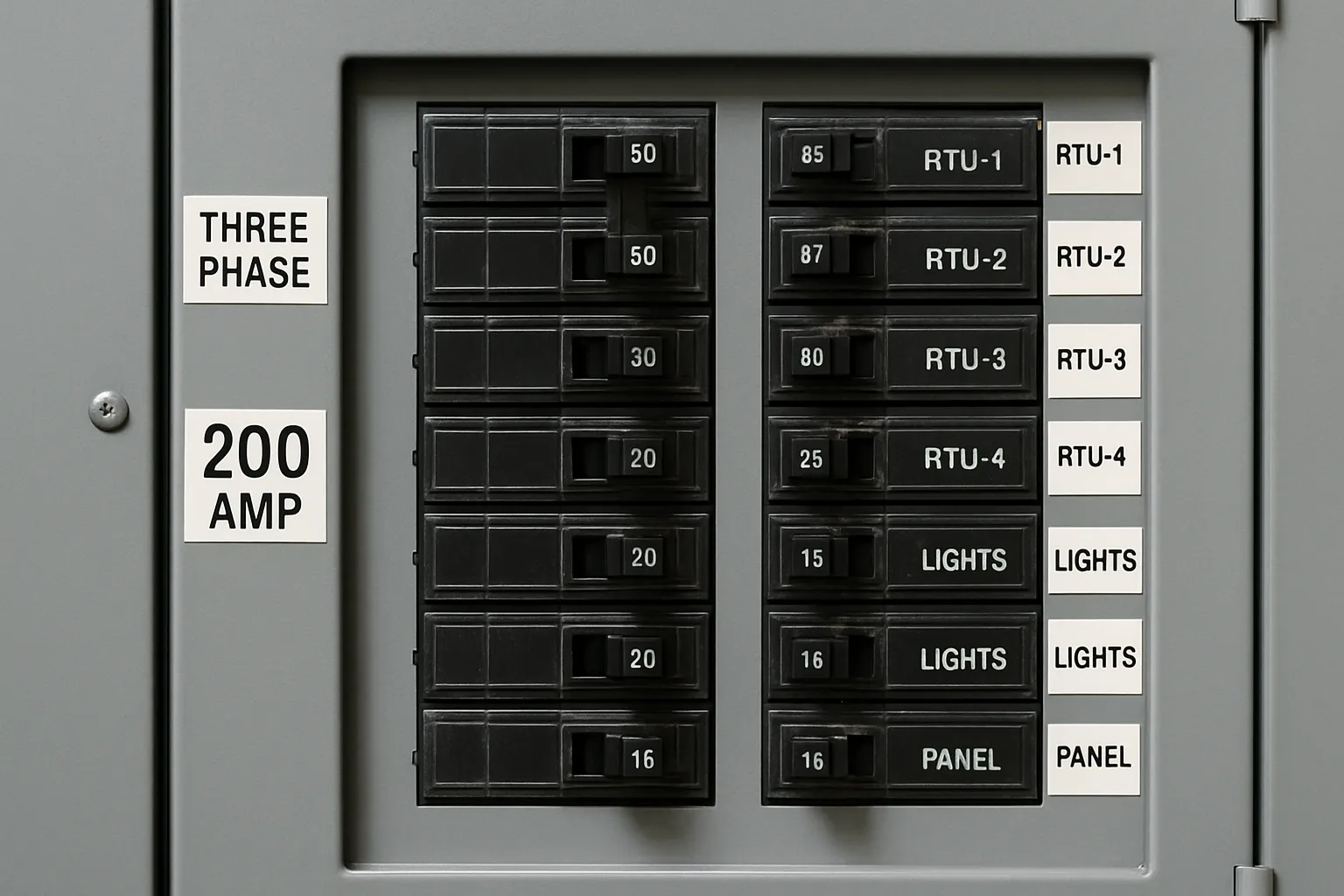
- Industrial control panels: NFPA 79 clarifies how machine control panels must be constructed, labeled, and protected, especially in relation to UL-listed industrial control equipment and NEC rules for panelboards and switchgear.
- Protection against electric shock: The revised standard tightens expectations around guarding of live parts, grounding and bonding, and insulation or enclosures for circuits that may be exposed during operation, maintenance, or troubleshooting.
- Wiring methods and routing: NFPA 79 guidance on wiring practices inside machines, between control cabinets, and to field devices is more explicit. This includes acceptable cable types, separation of control and power circuits, and how conductors are routed in or around moving parts.
- Coordination with UL and NEC: The update reinforces how UL-listed controls and NEC (NFPA 70) wiring rules apply inside industrial machinery, helping close gaps that used to exist between building wiring and machine wiring standards.
In practical terms, any project involving industrial machinery—new installation, relocation, or major upgrade—now needs explicit confirmation that the machine and its associated control panels comply with the current NFPA 79 edition, not just the NEC.
Implications for NEC, NFPA 70E, OSHA, and UL Compliance
Most facility teams think of the NEC (NFPA 70) as the primary electrical code for their building. NFPA 79 functions as a specialty standard that sits on top of NEC requirements wherever industrial machinery is concerned. The recent changes have several ripple effects:
- NEC coordination: Feeder and branch circuits serving machines must still comply with NEC, but NFPA 79 dictates how those circuits are terminated, protected, and managed within the machinery and its control panels. Poor coordination can lead to inspection delays or costly rework.
- NFPA 70E and OSHA safety: Clarified shock protection requirements align with NFPA 70E and OSHA expectations for arc flash, lockout/tagout, and safe work practices. As NFPA 79 tightens electric shock provisions, it may raise the bar for required labeling, PPE, and maintenance procedures around machinery.
- UL listing: Many industrial control panels and components are UL listed under UL 508A or related standards. NFPA 79 changes influence how UL-listed gear is selected and applied inside machine control systems, especially around short-circuit ratings, protective devices, and component spacings.
- AHJ and insurance reviews: Local AHJs and insurers often reference NFPA standards when evaluating a facility’s risk profile. If your machinery does not align with the current NFPA 79 requirements, you may face tighter scrutiny during plan review, inspections, or loss-control visits.
From a management standpoint, NFPA 79 updates are less about re-writing all your procedures and more about ensuring your engineering partners and integrators are explicitly designing to the latest definitions so your NEC, NFPA 70E, OSHA, and UL compliance picture remains coherent.
Risk Management for Automated Machinery in Commercial and Industrial Buildings
Automated machinery is one of the highest-risk electrical assets in many facilities. Unlike static switchgear or panelboards, machines have moving parts, operator interfaces, interlocks, and control systems that must all interact safely with electrical power. When NFPA 79 changes how those elements must be designed and wired, several risk themes emerge for facility leadership:
- Electrical shock and injury risk: Clarified shock protection rules reduce the likelihood that an operator or maintenance technician can unintentionally come into contact with energized components during normal use or reasonable service activities.
- Unplanned downtime: Non-compliant control panels or wiring can result in failed inspections or corrective orders from the AHJ or corporate safety teams, leading to costly downtime while panels are reworked.
- Liability and regulatory exposure: In the event of an incident, litigators and regulators will look at whether the facility followed current NFPA, OSHA, and UL guidance. Demonstrable NFPA 79 compliance strengthens your position.
- Insurance and warranty coverage: Equipment warranties and insurance policies often require that machinery be installed and maintained per applicable standards. Documented NFPA 79 compliance can help avoid claim disputes.
For portfolio-level property managers and owners, these factors scale quickly. A single misaligned machine installation can have outsized impact if it is part of a critical production line or high-value tenant operation.
Practical Actions for Facility and Property Managers
While NFPA 79 is a technical standard, the actions required at the management level are straightforward and focused on governance, documentation, and vendor alignment. Consider the following steps:
- Inventory machine-centric electrical systems: Identify all major industrial machinery in your facilities—production lines, packaging equipment, conveyor systems, automated storage, and any large OEM machines with dedicated control panels.
- Review specifications for new projects: For upcoming capital projects or tenant improvements, ensure bid documents and performance specs explicitly require compliance with the latest NFPA 79 edition, along with NEC, NFPA 70E, OSHA, and relevant UL standards.
- Engage qualified engineers and integrators: Work with professional engineers and experienced system integrators who are familiar with NFPA 79 and industrial control panel standards. Ask for examples of projects where they coordinated NFPA 79 with NEC building wiring, AHJ permitting, and UL listing.
- Update internal standards and design guides: If your organization maintains electrical design standards or master specifications, have them updated to reference the new NFPA 79 requirements, particularly in sections dealing with industrial control panels and machine wiring.
- Align maintenance procedures with NFPA 70E: Make sure your maintenance teams’ NFPA 70E-based procedures account for the updated NFPA 79 shock protection expectations, including how panels are accessed, tested, and locked out.
- Coordinate with AHJ and insurers: During planning and design, confirm with the local AHJ which NFPA 79 edition they enforce. Share your compliance approach with insurers and risk managers to demonstrate proactive management.
None of these steps require facility managers to become code experts, but they do require insisting that your design and construction partners explicitly address NFPA 79 in their deliverables.
Impact on Project Planning, Budgeting, and Tenant Operations
NFPA 79 changes will primarily show up in how projects are scoped, scheduled, and budgeted. You can expect:
- More rigorous design reviews: Engineers may spend more time detailing control panel layouts, conductor routing, and protective devices to align with NFPA 79. This can slightly increase design fees but reduce field rework.
- Potential cost for panel and wiring upgrades: Where existing machinery is clearly out of step with current standards—especially in high-risk areas—you may see recommendations for panel retrofits, improved guarding, or wiring corrections during planned shutdowns.
- Coordination with tenants and production schedules: If you are a property manager supporting industrial or manufacturing tenants, NFPA 79-driven upgrades need to be coordinated with production calendars to avoid unplanned outages.
- Greater emphasis on documentation: Expect more detailed panel schedules, wiring diagrams, and test records as part of turnover packages. These documents are valuable for ongoing maintenance and future modifications.
In many cases, NFPA 79 compliance work can be integrated into scheduled modernization, energy efficiency projects, or equipment lifecycle replacements, minimizing incremental cost impacts while improving overall safety and reliability.
How to Evaluate and Direct Your Electrical and Automation Vendors
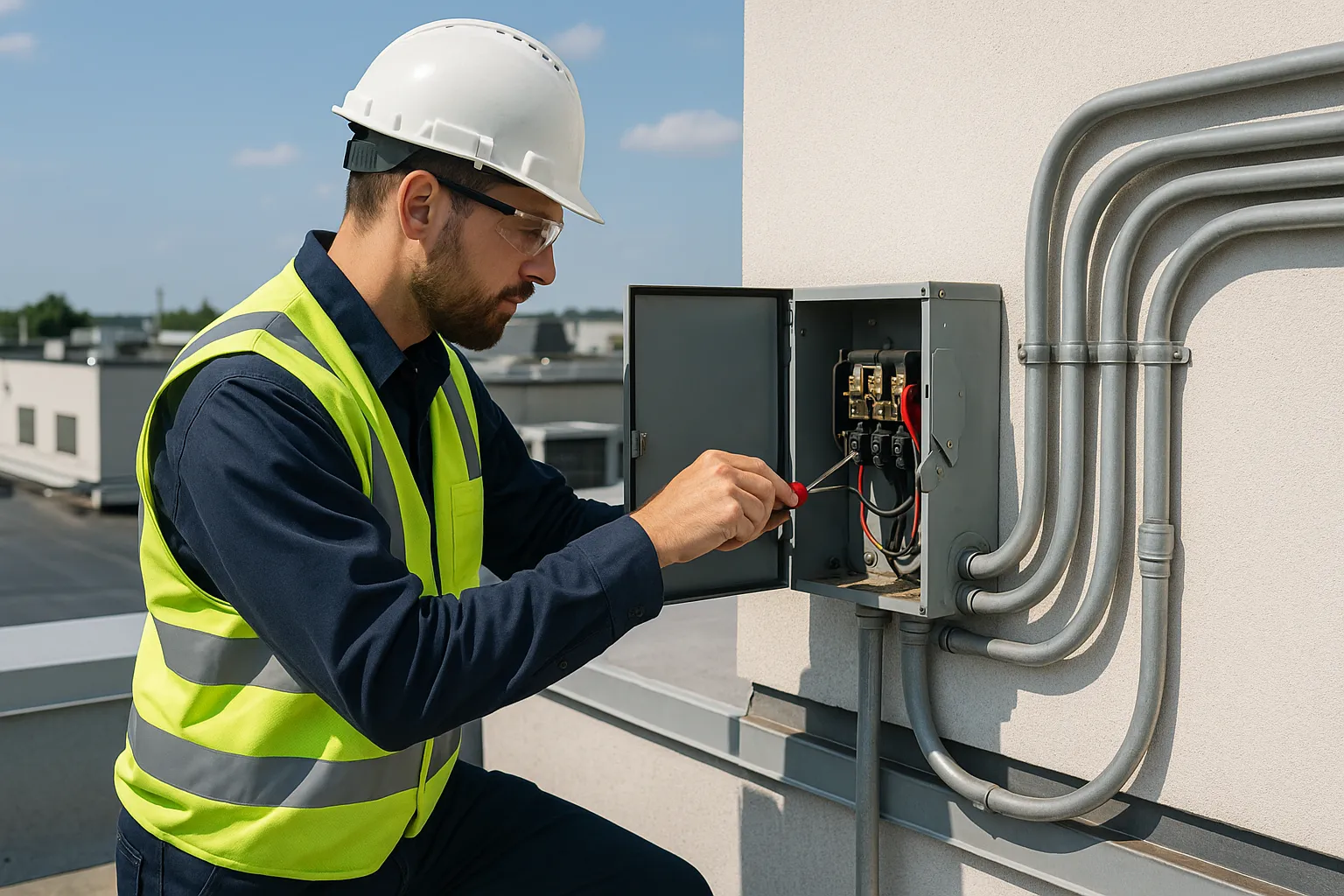
For building owners and facility managers, vendor selection and oversight are the levers you control most directly. When hiring an electrical contractor, OEM, or automation integrator for machinery projects, incorporate NFPA 79 into your evaluation process:
- Ask about NFPA 79 experience: Request recent projects where the vendor designed or installed machinery to current NFPA 79 requirements, including coordination with NEC, NFPA 70E, and UL-listed controls.
- Require clear scope and documentation: Contracts should specify that all machinery and industrial control panels meet the latest NFPA 79 edition and that as-built drawings, one-line diagrams, and test reports will be provided at project closeout.
- Verify licensing and insurance: Ensure your electrical contractors hold appropriate licenses and carry general liability and workers’ compensation coverage. For complex machinery work, prioritize firms with demonstrated industrial experience and strong permit/inspection histories.
- Integrate NFPA 79 into RFP criteria: When issuing RFPs, include NFPA 79 compliance as an explicit evaluation criterion, along with NEC compliance, safety record, and ability to coordinate with the AHJ.
Making NFPA 79 part of your standard contract language and prequalification checklist helps ensure that every stakeholder—from OEMs to field electricians—treats the updated standard as a non-negotiable requirement.
Frequently Asked Questions
Will NFPA 79 updates significantly increase my project costs?
NFPA 79 changes may modestly increase design effort and, in some cases, drive control panel or wiring upgrades. However, aligning with the current standard typically reduces rework, inspection delays, and incident risk. Over the life of the machinery, proper NFPA 79 compliance usually delivers favorable ROI through improved safety and reliability.
How do NFPA 79 changes interact with NEC (NFPA 70) in my facility?
NEC governs building wiring and distribution, while NFPA 79 focuses on electrical systems within industrial machinery. The updated NFPA 79 clarifies how machine control panels, shock protection, and wiring must be handled in conjunction with NEC. Facility managers need both standards coordinated in design, permitting, and inspection processes.
Do local AHJs immediately enforce new NFPA 79 editions?
Adoption timing varies by jurisdiction. Some AHJs move quickly to reference new NFPA editions, while others lag. For new machinery projects, it is prudent to design to the latest NFPA 79 version and confirm expectations with the AHJ during plan review to avoid surprises at inspection or certificate-of-occupancy stages.
Should I prioritize NFPA 79 compliance on existing machines or wait for replacements?
A practical approach is to risk-rank your machinery based on criticality, exposure, and age. Address clear NFPA 79 gaps on high-risk or mission-critical equipment during planned shutdowns, and fold full upgrades into lifecycle replacement plans. This balances capital spending with safety, uptime, and regulatory compliance demands.
How can I verify that my OEM or integrator is truly following NFPA 79?
Beyond contract language, ask for design documents and test reports that reference NFPA 79 clauses, confirm UL-listed components and NEC coordination, and review panel labeling and documentation. You can also engage a third-party engineer or consultant for spot audits on major projects to validate compliance before final acceptance.
Related Reading on My Electrical Tech
- ABB to Acquire British Flow Control & Electric Actuator Leader: What It Means for Commercial Facilities
- TPO Roofing: A Practical Guide for Commercial Property Managers
Find a Qualified Commercial Electrical Contractor
Need help acting on this? Browse commercial electricians in your area, or explore commercial electrical services like preventative maintenance, inspections, and emergency response. Are you a contractor? List your business on My Electrical Tech to reach property and facility managers actively searching for help.